
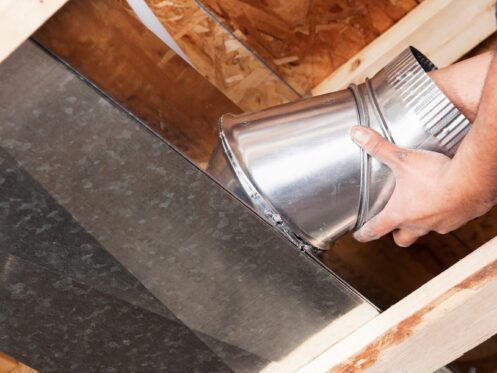
Before cooler weather settles into the High Desert, most homeowners think about their furnace or heat pump. The ductwork carrying heated air through the home deserves attention too. Even a well-maintained heating system can struggle to keep rooms comfortable if the ducts are leaking, restricted, damaged, or heavily contaminated.
A ductwork inspection before fall gives you a chance to catch those problems before your heating system starts running more often. It can also help explain issues such as weak airflow, uneven temperatures, excessive dust, or higher energy use that may have developed gradually over the summer.
Why Ductwork Problems Become More Noticeable in Fall
Your duct system works through both cooling and heating seasons, but problems may become easier to notice when outdoor temperatures begin dropping. Rooms that felt slightly warmer than others during summer may become noticeably colder once the furnace starts running. A loose connection or damaged duct can also allow heated air to escape into an attic or other unconditioned space instead of reaching the room where it belongs.
Fall is also a natural transition point for HVAC maintenance. Before you rely heavily on your heating system, inspecting the ductwork can reveal whether airflow problems are coming from the equipment itself or from the distribution system connected to it.
What Does a Ductwork Inspection Check?
A professional ductwork inspection looks beyond the registers you can see inside your home. We evaluate accessible sections of the duct system for conditions that can affect airflow, comfort, and indoor air quality.
Leaks, Loose Connections, and Damaged Sections
Duct joints can loosen over time, while flexible ductwork can become crushed, torn, or disconnected. These problems reduce the amount of conditioned air reaching your living spaces. In some cases, gaps in return ductwork may also pull dust or unconditioned air into the system.
Airflow Restrictions and Dust Buildup
Restricted airflow can come from collapsed duct sections, debris, dirty components, or other problems within the air-distribution system. Heavy dust buildup may also contribute to indoor air quality concerns, especially when particles are repeatedly circulated through the home.
Signs your ductwork may need attention include:
- Weak airflow from one or more vents
- Rooms that are consistently too warm or too cold
- Visible dust around registers
- Unusual whistling or rattling sounds from ducts
- Higher heating or cooling costs without an obvious cause
- Persistent musty or stale odors when the HVAC system runs
Does Poor Ductwork Affect Heating Performance?
Your furnace or heat pump depends on the duct system to deliver conditioned air efficiently. When heated air escapes through leaks or encounters restrictions, the system may need to run longer to reach the thermostat setting. That can increase energy use while leaving some rooms less comfortable than others.
Duct problems can also make a heating system appear weaker than it really is. If the equipment produces adequate heat but the airflow reaching your rooms is poor, replacing or repairing the heating unit alone will not solve the underlying distribution problem.
That is one reason our heating maintenance process includes checking airflow and the condition of attic ducting along with the furnace itself.
When Duct Cleaning May Be Worth Considering
A duct inspection does not automatically mean the ducts need cleaning. Cleaning makes more sense when there is evidence of significant buildup or contamination inside the system rather than simply because another year has passed.
Visible debris, persistent odors, suspected mold growth, or unusually heavy dust may justify a closer look. If contaminants are circulating through the system, professional ductwork cleaning can be one part of improving your home’s indoor air quality.
The important step is identifying the actual problem first. Dust caused by leaking return ducts, for example, may continue even after cleaning unless the source of the leakage is addressed.
Pair Ductwork Inspection With Fall HVAC Maintenance
Checking your ductwork and heating system together gives you a more complete picture of how the entire HVAC system is performing. Before fall arrives, we can inspect airflow, duct condition, filters, blower components, burners, electrical components, and other areas that affect reliable heating.
This combined approach can uncover small issues while there is still time to address them before colder nights put more demand on the system. It can also help you avoid chasing the wrong problem when poor comfort is really being caused by airflow or ductwork rather than the furnace itself.
If you have noticed weak airflow, uneven temperatures, excessive dust, or other signs of ductwork trouble, contact Aace's Heating, Air Conditioning & Swamp Coolers to schedule an inspection before fall heating season.