
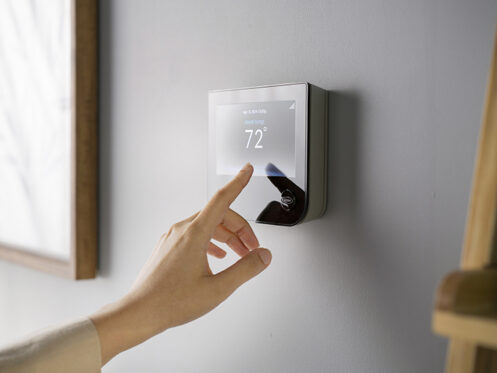
When outdoor temperatures start to climb, your air conditioner depends on one small device to guide every cooling cycle. If your thermostat reads even a few degrees off, your system may run longer than necessary or shut off too soon. At Aace's Heating, Air Conditioning & Swamp Coolers in Victorville, CA, we help homeowners fine-tune their cooling systems, so comfort stays steady before the hottest days arrive. Checking thermostat calibration in the spring can prevent uneven cooling, reduce strain on equipment, and help you avoid surprises once the summer heat settles in.
How Thermostat Calibration Affects Cooling Performance
Your thermostat measures indoor temperature and signals your air conditioner when to start or stop. If the internal sensor drifts even 2 degrees from actual room temperature, the entire cooling pattern changes. When the reading is too high, the system runs longer than needed. When the reading is too low, the system shuts off early, leaving rooms warm and uneven.
This small misreading can go unnoticed in mild weather. During peak summer heat, however, the gap becomes more noticeable. You may lower the setting repeatedly, thinking the system cannot keep up. In reality, the thermostat may be misjudging the environment. Accurate calibration keeps cooling cycles aligned with real conditions rather than guesswork. A structured maintenance plan often includes routine thermostat verification to identify even small calibration shifts.
Signs Your Thermostat May Be Off
Thermostat issues do not always appear as obvious malfunctions. Instead, you might notice subtle patterns. Rooms feel warmer than the display suggests. The air conditioner cycles on and off more frequently than usual. The system seems to run for extended periods without reaching the set point.
Another clue appears when you compare readings with a separate thermometer placed nearby. If the numbers differ consistently, calibration may need adjustment. Older thermostats are more susceptible to drift, especially models that rely on mechanical components. Newer digital thermostats can also misread if sensors become dusty or if installation placement exposes them to direct sunlight or drafts.
Placement Matters More Than You Think
Thermostat location influences accuracy. If installed near a window, exterior wall, or supply vent, the device may sense localized conditions instead of average room temperature. Direct sunlight can cause it to register warmer than the rest of the house. A nearby return vent can create the opposite effect by drawing cooler air across the sensor.
Improper placement leads to uneven cooling. The thermostat may shut off the system before other areas reach the correct temperature. Evaluating calibration often includes reviewing placement and airflow around the device. Correct positioning supports more stable readings and balanced cooling.
How Calibration Impacts Energy Use
An inaccurate thermostat can increase energy consumption without obvious warning signs. When the system runs longer than necessary, electricity use climbs. During summer, those extra cycles add up quickly. On the other hand, premature shutoff that causes short cycling reduces efficiency and places stress on components.
Cooling systems perform best when cycles last long enough to remove heat steadily. A misreading thermostat disrupts that rhythm. Over time, inconsistent cycling can shorten equipment lifespan and increase wear on motors and compressors. Addressing calibration early helps maintain smoother operation during the most demanding months.
The Connection Between Calibration and Humidity Control
Cooling involves more than lowering temperature. Your air conditioner also removes moisture from indoor air. Proper humidity control depends on adequate cycle length. If the thermostat shuts the system off too early, the cooling cycle may not run long enough to manage indoor moisture levels.
Higher humidity can make rooms feel warmer than they are, leading you to lower the setting further. That adjustment may create a loop of short cycles and uneven comfort. Accurate thermostat readings help the system complete balanced cooling cycles that address both heat and moisture.
Creating Reliable Comfort Before Summer Peaks
Your thermostat may be small compared to your air conditioner, yet it directs every cooling decision. A few degrees of inaccuracy can create unevenly cooled rooms, higher utility bills, and unnecessary strain on equipment. Checking calibration before the summer heat arrives gives you a clear starting point for the season.
Stay Ahead of the Heat
Your thermostat directs every cooling cycle your system runs. Verifying its calibration alongside seasonal tune-ups, airflow balancing, and system inspections helps confirm that your equipment responds accurately and performs the way it should. At Aace's Heating, Air Conditioning & Swamp Coolers, we focus on aligning your thermostat with your system’s performance, so your home stays comfortable as temperatures rise.
Schedule your summer preparation service in Victorville with Aace's Heating, Air Conditioning & Swamp Coolers, and start the season with confidence in your cooling system.